
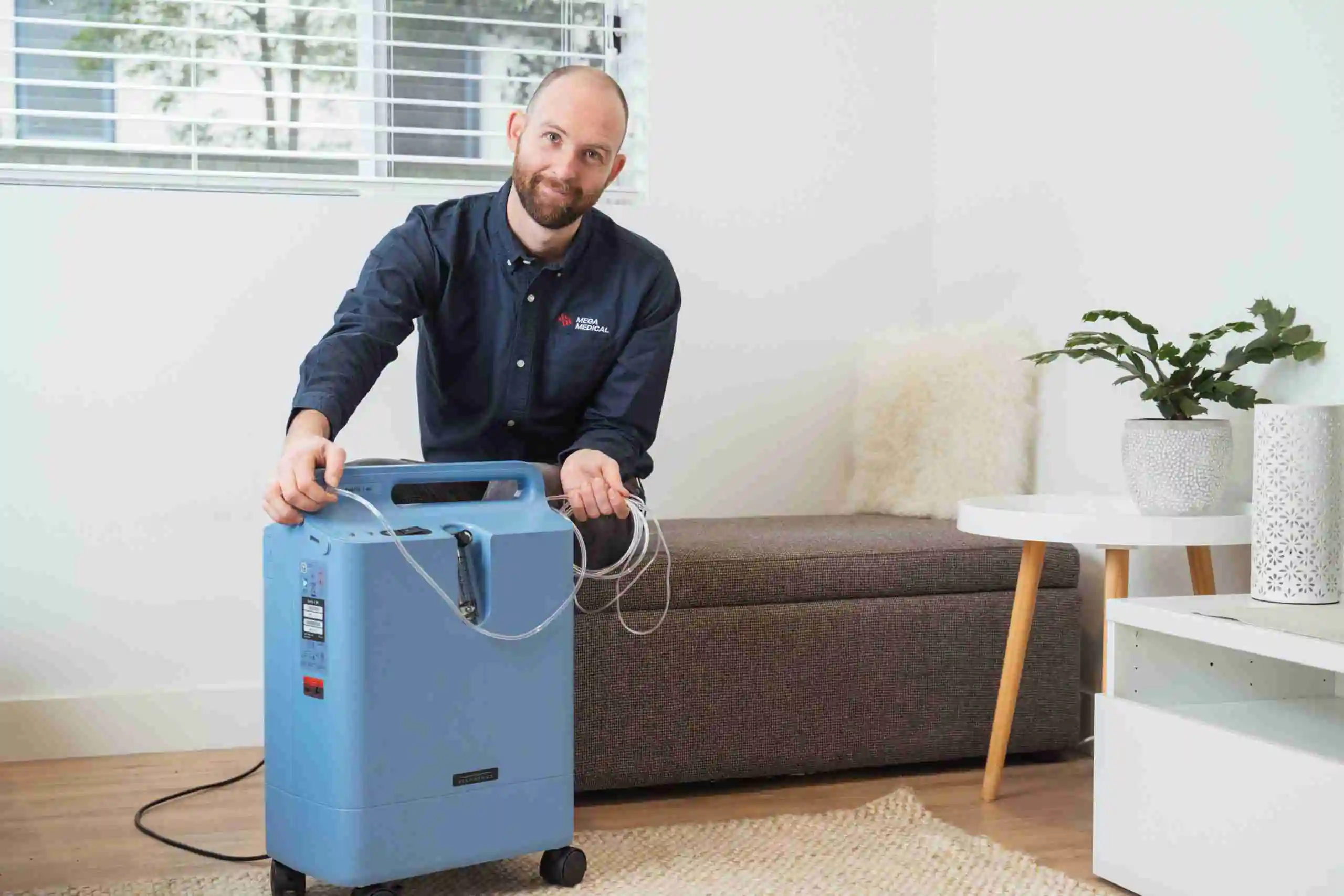
To keep it simple, the most important features are the ones that affect daily comfort, safety, and whether the device can reliably meet their oxygen needs. Here are six to prioritise.
What oxygen delivery mode do they actually need (pulse dose or continuous flow)?
They should start here because the delivery mode determines whether the device can match their prescription. Most portable oxygen concentrators use pulse dose, meaning they deliver oxygen in bursts when the user inhales. Fewer Oxygen Concentrator Portable models offer continuous flow, which provides a steady stream.
Pulse dose can work well for many people when the settings and sensitivity match their breathing pattern. Continuous flow may be required for others, especially during sleep or if they cannot reliably trigger pulse delivery. Their clinician should confirm what is appropriate before they buy.
Will the battery realistically last through their typical day?
Battery life is often the difference between confidence and constant anxiety. They should check the expected runtime at their prescribed setting, not just the best case number on the box.
Portable units can last anywhere from a couple of hours to much longer depending on flow setting, breathing rate, and whether they use pulse or continuous flow. They should also look at charging options, such as AC for home, DC for car use, and whether extra batteries are available and easy to swap.
Is it light enough for them to carry, not just “portable” on paper?
A concentrator can be labelled portable and still be too heavy for daily use. They should consider the total carry weight including the battery, any carry bag, and accessories they will actually use.
It also helps to check how it is meant to be carried. Some are designed for shoulder carry, others fit better on a small cart. If they have limited grip strength or shoulder issues, a few extra pounds can become a real barrier to leaving the house.
How noisy is it during real use, especially at night or in public?
Noise affects comfort, sleep, and confidence in social settings. They should look for a stated decibel rating, but they should also check real user feedback because tone and vibration matter as much as volume.
A quieter unit is usually easier to live with in restaurants, waiting rooms, and shared spaces. If they plan to sleep with it nearby, noise becomes even more important, along with whether the device performance changes when they shift position or breathe more shallowly.
How easy is it to maintain, and what do the alerts actually tell them?
They should assume they will be responsible for basic maintenance, so it needs to be simple. Filters should be easy to access, easy to clean or replace, and clearly explained in the manual.
Alerts matter too. The best devices provide clear, actionable alarms for low oxygen purity, blocked airflow, low battery, overheating, or no breath detected for pulse dose use. Confusing beeps without clear meaning can lead to missed issues or unnecessary panic.
Is it travel-ready, including airline approval and durable build quality?
If they travel, airline compatibility is essential. They should look for units that are FAA accepted and confirm the exact model is on the airline’s approved list, because policies can vary.
Durability is the other side of travel readiness. They should check whether the casing feels robust, whether the buttons and screen are protected, and whether the intake vents are positioned in a way that reduces accidental blockage. A good warranty and accessible service network can matter just as much as the device itself.
What’s the simplest way to choose without overthinking it?
They should match the device to their prescription first, then narrow choices by battery life, carry comfort, and noise. After that, maintenance, alerts, and travel readiness usually make the best option obvious.
If they are unsure, the safest next step is to review short-listed models with their clinician or oxygen supplier. The goal is not the most advanced concentrator, but the one they can reliably use every day.
More to Read : Oxygen Tank Price Guide: 6 Factors That Affect Cost
FAQs (Frequently Asked Questions)
What oxygen delivery mode should I choose for my portable oxygen concentrator, pulse dose or continuous flow?
Choosing the correct oxygen delivery mode depends on your clinician’s prescription and your breathing needs. Most portable oxygen concentrators use pulse dose delivery, providing oxygen bursts when you inhale, which suits many users. However, continuous flow delivers a steady stream of oxygen and may be necessary during sleep or if you cannot trigger pulse doses reliably. Always consult your clinician to determine the appropriate mode before purchasing.
How can I ensure the battery life of a portable oxygen concentrator meets my daily needs?
Battery life varies significantly based on flow settings, breathing rate, and delivery mode (pulse or continuous). To avoid anxiety over power shortages, check the expected runtime at your prescribed settings rather than just the best-case scenario advertised. Also consider charging options like AC for home use, DC for car charging, and availability of extra batteries that are easy to swap for extended use.
Is the weight of a portable oxygen concentrator important for daily carrying comfort?
Yes, total carry weight—including the device, battery, carry bag, and accessories—is crucial. A unit labeled ‘portable’ might still be too heavy for comfortable daily use. Consider how it’s carried: shoulder straps versus carts can make a difference, especially if you have limited grip strength or shoulder issues. Choosing a lightweight model that fits your lifestyle helps maintain independence and mobility.
How noisy are portable oxygen concentrators during everyday use and at night?
Noise levels impact comfort, sleep quality, and social confidence. Look for decibel ratings but also read user reviews since tone and vibration influence perceived noise. Quieter units are preferable in public places like restaurants or waiting rooms. If you plan to sleep near the device, prioritize models with low noise output that maintain performance even when you change position or breathe shallowly.
What maintenance tasks are required for portable oxygen concentrators and how clear are their alert systems?
Basic maintenance typically includes cleaning or replacing filters; these should be easily accessible with straightforward instructions in the manual. Effective alert systems provide clear warnings about issues such as low oxygen purity, blocked airflow, low battery, overheating, or no breath detection in pulse dose mode. Avoid devices with confusing alarms to prevent missed problems or unnecessary panic.
What features make a portable oxygen concentrator travel-ready and durable?
For travel readiness, ensure the device is FAA approved and confirmed on your airline’s approved list since policies vary. Durability matters too: look for robust casing, protected buttons and screens, and intake vents positioned to minimize accidental blockage. Additionally, a good warranty and accessible service network contribute to reliable performance during travel.