
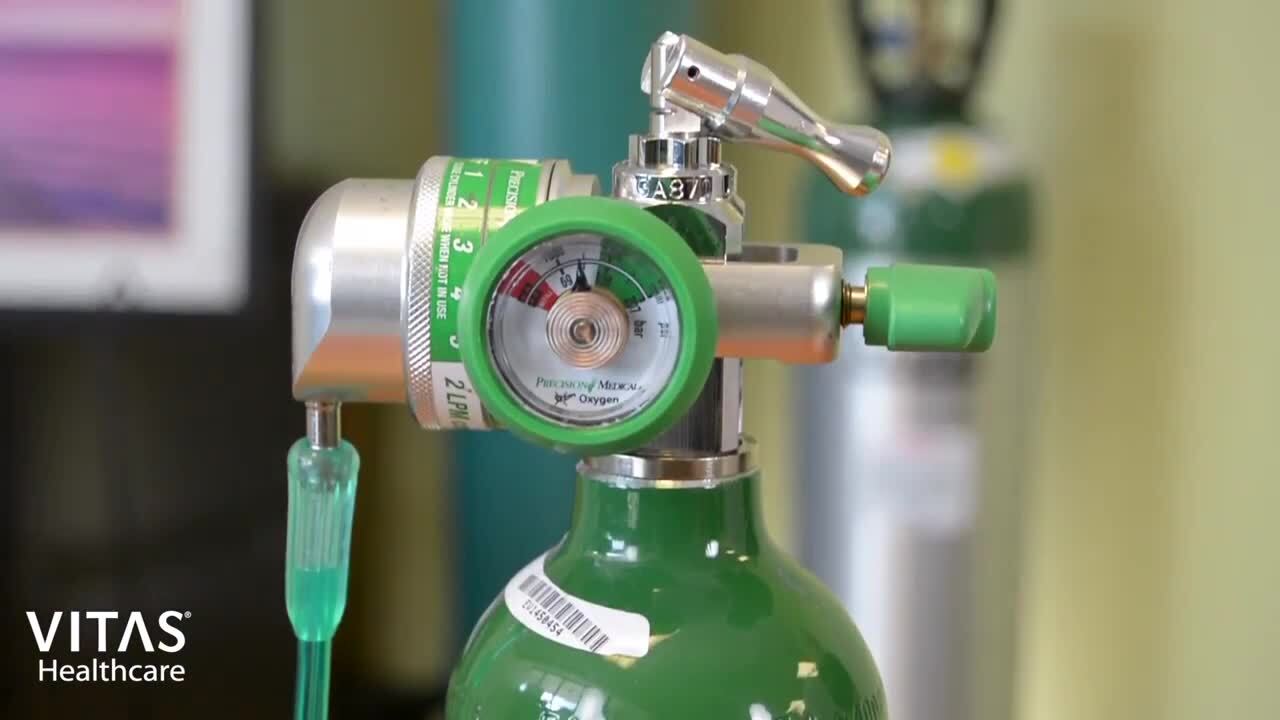
This guide breaks down six practical factors that typically shape what they pay, whether they rent, refill, or buy outright.
What does an oxygen tank usually cost?
Most people pay for oxygen in one of three ways: buying equipment, renting equipment, and paying ongoing refill or delivery fees. The “tank price” alone can be misleading because regulators, tubing, and service often add to the total.
In practice, they should expect a mix of upfront costs and recurring costs, especially if oxygen is prescribed for daily use.
How does tank type and size change the price?
Tank size is one of the biggest cost drivers when considering oxygen tank price because it affects runtime, weight, and how often refills are needed. Small portable cylinders usually come with a lower oxygen tank price than larger home cylinders, but they also run out faster.
There are also different materials and designs that influence oxygen tank price. Lightweight options may increase the oxygen tank price upfront, yet they are often easier to carry, which is especially important for people who travel or leave home frequently.
Why do purchase vs rental options affect total cost so much?
Buying can be cheaper over time for long-term users, but it typically requires a higher upfront payment. They may also be responsible for maintenance, replacements, and accessories depending on the seller’s terms.
Renting often lowers the initial cost and may bundle service, but it can be more expensive month to month. For many, the best choice depends on how long oxygen is needed and whether they want predictable monthly billing.
How do refill frequency and delivery fees impact cost?
Refills are where the ongoing cost can quietly add up. A smaller tank usually means more refills, and more refills often means more delivery charges or more trips to a supplier.
Delivery fees vary by location, distance, and urgency. Some suppliers charge per delivery, while others offer scheduled routes. If they need oxygen continuously, the long-term cost is often driven more by refill logistics than the tank itself.
What role do regulators, cannulas, and accessories play in pricing?
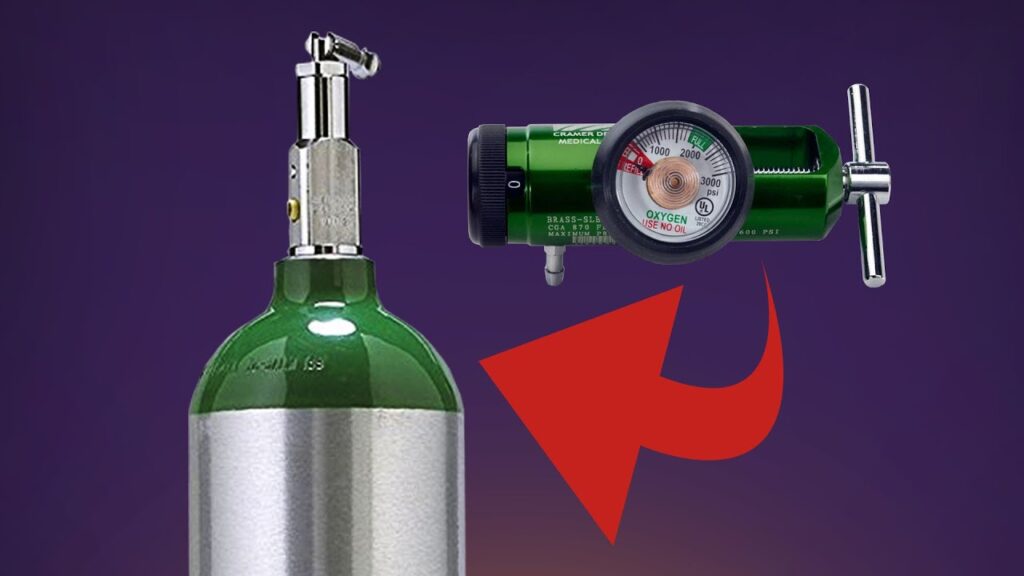
Many people focus on the cylinder and forget the parts required to actually use oxygen safely. A regulator, conserving device, cannulas, masks, tubing, humidifier bottle, and carrying case can all add to total cost.
Accessories also wear out. Cannulas and tubing are replaced regularly for comfort and hygiene, which creates small but consistent recurring expenses that should be budgeted from the start.
How do oxygen flow rate and prescription needs change the equipment cost?
Flow rate affects how quickly oxygen is used, which changes how often tanks need refilling. Higher flow needs generally push people toward larger tanks, multiple backup cylinders, or alternative systems, all of which can increase cost.
Prescription details can also affect which delivery system is appropriate. If they require oxygen during activity or sleep, they may need specific setups that cost more than a basic, occasional-use arrangement.
How does insurance coverage or local supplier pricing affect what they pay?
Coverage varies widely. Some plans help cover rentals, refills, or home delivery when oxygen is medically necessary, while others leave more costs to the patient. Even with coverage, copays and approved supplier rules can change the final bill.
Local pricing also matters. Two suppliers in the same city may quote different rates based on service level, delivery schedules, and whether they bundle accessories, setup, or ongoing support. Click here to get more about 6 features to look for in an oxygen concentrator portable.
What should they ask before choosing an oxygen tank option?
They can avoid surprises by asking for a full cost breakdown, not just the cylinder price. The most useful questions focus on total monthly cost, refill terms, and what is included.
A practical checklist:
- What is the upfront cost vs the monthly cost?
- How much is each refill, and is delivery extra?
- Which accessories are included, and which are separate?
- Who handles maintenance and replacements?
- Are there emergency or after-hours fees?
- What happens if their prescription or flow rate changes?
FAQs (Frequently Asked Questions)
What factors influence the total cost of buying an oxygen tank?
The total cost depends on the type and size of the tank, whether you buy or rent, ongoing refill or delivery fees, and necessary accessories like regulators and tubing. Upfront equipment costs plus recurring expenses for refills and maintenance usually shape what you pay.
How do oxygen tank size and material affect pricing?
Larger tanks typically cost more upfront but last longer between refills, while smaller portable cylinders are cheaper but need frequent refills. Lightweight materials can increase initial price but offer easier portability, which is important for active users.
Should I buy or rent an oxygen tank to save money?
Buying is often cheaper over time for long-term oxygen users but requires higher upfront payment and responsibility for maintenance. Renting lowers initial costs and may include service but can be pricier monthly. The best choice depends on your oxygen needs duration and preference for predictable billing.
How do refill frequency and delivery fees impact oxygen tank expenses?
Smaller tanks require more frequent refills, which increases delivery charges or trips to suppliers. Delivery fees vary by location, distance, and urgency. For continuous oxygen use, refill logistics often drive long-term costs more than the tank price itself.
What accessories are needed with an oxygen tank and how do they affect cost?
Essential accessories include regulators, conserving devices, cannulas, masks, tubing, humidifier bottles, and carrying cases. These add to the total cost and require regular replacement for comfort and hygiene, creating ongoing expenses that should be budgeted from the start.
How does my prescription’s flow rate influence the type of oxygen equipment I need?
Higher flow rates consume oxygen faster, leading users to choose larger tanks, multiple backups, or alternative systems that increase costs. Prescription details like needing oxygen during activity or sleep can also require specialized setups costing more than basic arrangements.