
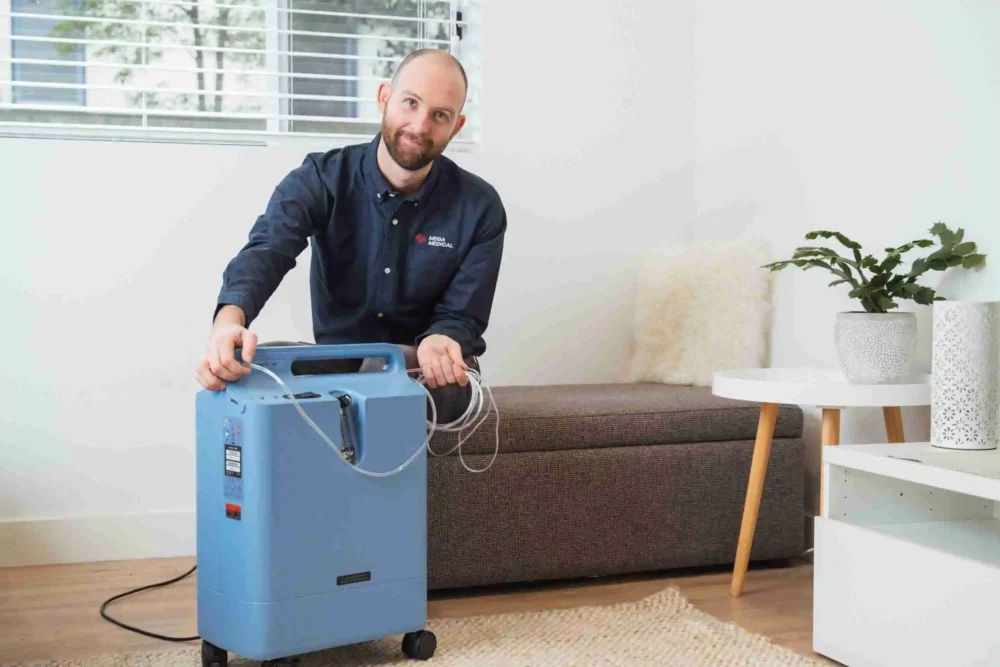
An Everflo oxygen concentrator takes in normal room air, removes most of the nitrogen, and delivers concentrated oxygen to the user through tubing and a nasal cannula. In Australian homes and aged care settings, it is a common choice because it is designed for steady, low-flow oxygen therapy.
What follows is a clear, step-by-step look at how an everflo oxygen concentrator Australia works, from the moment it is switched on to the moment oxygen reaches the person using it.
What does an Everflo oxygen concentrator actually do?
An Everflo oxygen concentrator supplies oxygen-enriched air without needing refillable cylinders. It draws air from the room and concentrates oxygen using internal filtration, compression, and a separation process.
They still need mains power and proper airflow around the unit, but they do not rely on deliveries of oxygen bottles for day-to-day use.
What happens first when they switch it on?
When an Everflo oxygen concentrator is turned on, it runs internal checks and starts the compressor. Air is pulled in through the intake and initial filters to remove dust and larger particles.
In an Australian home, this first stage matters because household dust, pet hair, and lint can build up quickly, especially in dry or high-traffic rooms.
How does it pull room air into the machine?
The unit uses a motor-driven compressor system to draw in ambient air. That air is the same air in the room, which is mostly nitrogen, with oxygen and small amounts of other gases.
For best performance, they should keep the intake clear and avoid placing the unit hard against curtains, bedding, or furniture.
Why does it compress the air?
Compression increases the pressure of the incoming air so it can move through the concentrator’s internal components. In an Everflo oxygen concentrator, the compressor provides the force needed for the separation stage to work reliably.
This is also why the unit makes a steady mechanical sound. That sound is largely the compressor doing continuous work.
How does it remove impurities before oxygen separation?
Before separation, the air passes through filtration designed to reduce particulates. This helps protect the more sensitive internal parts, including the sieve beds used for gas separation.
In Australia, where smoke can be an issue during bushfire season, they should follow the supplier’s guidance on filters and placement, especially if indoor air quality is poor.
What are sieve beds, and why do they matter?
Sieve beds are canisters filled with a material called zeolite. In an Everflo oxygen concentrator, zeolite selectively adsorbs nitrogen when air is pushed through under pressure.
That selective capture is the core of oxygen concentration. Oxygen passes through more readily while nitrogen is held back temporarily.
See Also : Who Needs Everflo, and Who Does Not
How does the PSA process work, step by step?
Most concentrators, including the Everflo oxygen concentrator, use Pressure Swing Adsorption (PSA). Step by step, it works like this:
- Compressed air is pushed into sieve bed A.
- Zeolite in bed A traps nitrogen.
- Oxygen-enriched gas exits bed A towards the outlet system.
- The unit switches flow to sieve bed B while bed A depressurises.
- Bed A releases the trapped nitrogen to the atmosphere.
- The cycle repeats, alternating between A and B.
This rapid switching is what keeps oxygen flow consistent.
Where does the nitrogen go?
The trapped nitrogen is vented out of the concentrator during the depressurisation phase. That is why they should keep the unit in a well-ventilated indoor area, not inside a sealed cupboard.
In practical terms, the nitrogen returns to the room air, and the room’s normal ventilation handles the rest.
How does it control oxygen concentration and flow?
After separation, the oxygen-enriched gas passes through internal pathways that stabilise delivery. The flow control knob sets the prescribed litres per minute (LPM), which affects how much oxygen the user receives.
With an Everflo oxygen concentrator, they should set flow only to what an Australian doctor or respiratory clinician has prescribed, since “more” is not automatically “better”.
What does the flow meter show, and how should they read it?
The flow meter typically has a floating ball in a clear tube. They read the flow at the centre of the ball aligned to the marked number.
If the ball bounces a lot, it can suggest movement, vibration, or a flow setting not stabilised yet. They should allow a brief moment after adjusting flow for it to settle.
How does oxygen get from the machine to the person?
Oxygen exits the unit through the outlet port and travels through oxygen tubing to a nasal cannula or mask. The tubing length and condition can affect practical delivery, especially if it is kinked, crushed under furniture, or full of condensation.
For safe use, they should route tubing to reduce trip hazards, a common concern in Australian homes with narrow hallways.
What role does the humidifier bottle play, if they use one?
A humidifier bottle can add moisture to the oxygen flow to reduce dryness in the nose and throat. If a bottle is fitted to the Everflo oxygen concentrator, oxygen bubbles through water before travelling down the tubing.
They should use sterile or distilled water as advised by their provider, and keep the bottle clean to reduce the risk of infection.
How do the alarms and indicators fit into the process?
Alarms are there to warn them when the unit detects a problem that could affect oxygen delivery. Depending on the model configuration, indicators may relate to power, system function, or service requirements.
If an alarm sounds, they should follow the supplier’s troubleshooting steps and contact their Australian oxygen provider or clinician if the issue does not resolve quickly.
What maintenance steps keep it working as intended?
Basic upkeep is mostly about keeping airflow clear and filters clean. For an Everflo oxygen concentrator, they typically need to:
- Keep the unit in a clean, open area with space around vents
- Clean or replace filters as directed by the manual or supplier
- Check tubing and cannula for wear, kinks, and blockages
- Keep the exterior dust-free so vents do not clog
They should also attend scheduled servicing arranged through their provider.
What common issues can disrupt oxygen delivery?
The most common disruptions are simple: blocked intake, dirty filters, kinked tubing, or incorrect flow settings. Power interruptions are also relevant, particularly in regional Australia where outages can happen during storms.
If they rely on continuous therapy, they should ask their supplier about backup options and an outage plan that fits their household.
How should they set up the unit safely in an Australian home?
They should place the concentrator on a stable, level surface in a dry indoor room with good airflow. It should be kept away from open flames, gas cooktops, and smoking areas, because oxygen supports combustion.
In Australia, providers often emphasise smoke-free rules and safe distances from heaters. They should follow those instructions exactly.
What should they expect during normal day-to-day operation?
During normal operation, an Everflo oxygen concentrator runs continuously, cycles its sieve beds automatically, and delivers oxygen at the set flow rate. They can expect a steady sound from the compressor and airflow, plus gentle warmth from the unit as it works.
If the sound changes sharply, performance seems inconsistent, or breathing comfort changes, they should contact their clinician or equipment provider.
What is the simplest step-by-step summary to remember?
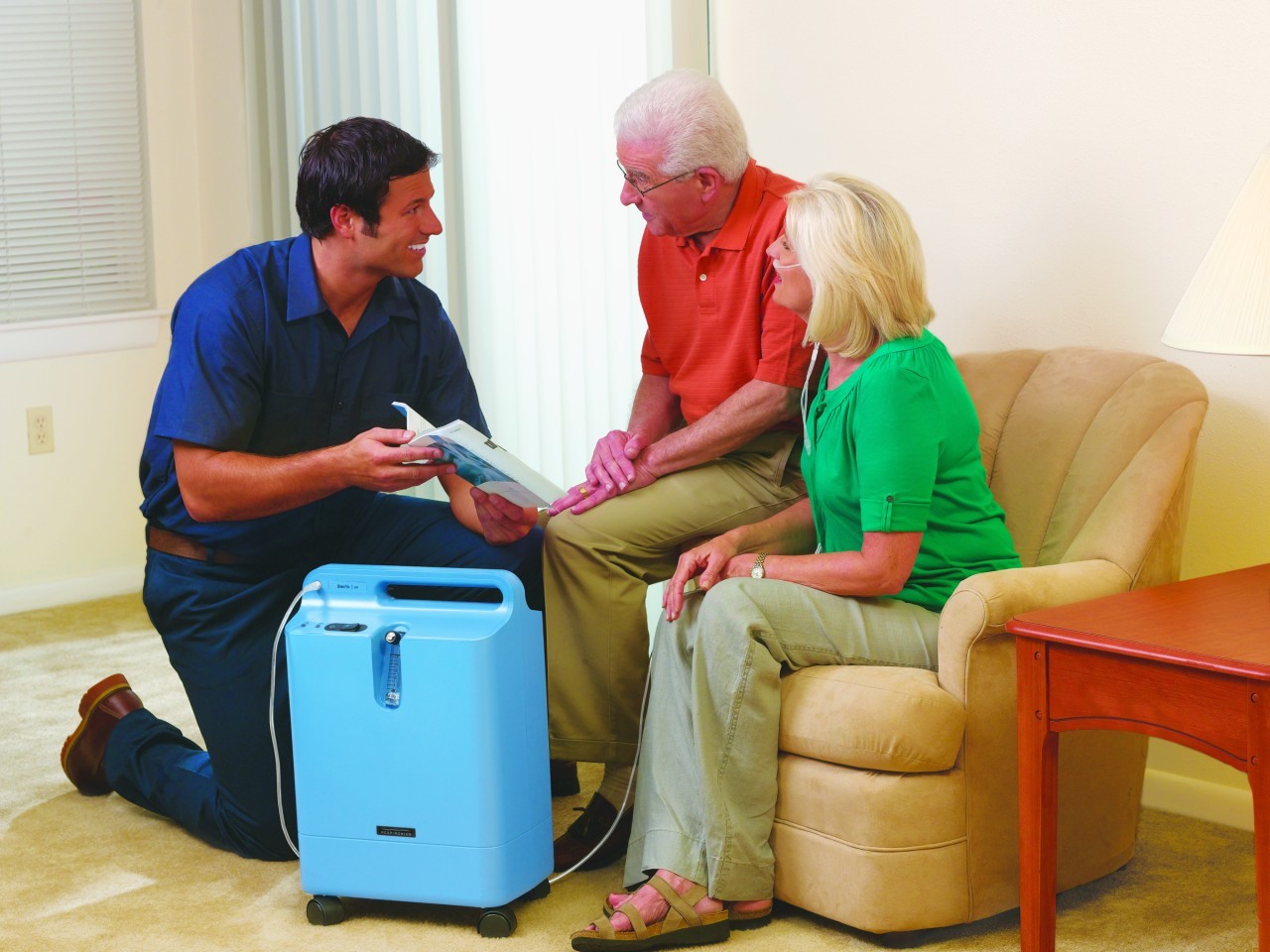
An Everflo oxygen concentrator works in a repeating loop: it pulls in room air, compresses it, filters it, separates nitrogen using sieve beds, and sends oxygen-enriched air out through the flow meter to tubing and a cannula.
If they remember just one thing, it is this: clear airflow, correct prescribed flow, and clean filters are what keep oxygen delivery stable and safe.
FAQs (Frequently Asked Questions)
What is an Everflo oxygen concentrator and how does it work?
An Everflo oxygen concentrator is a device that takes in normal room air, removes most of the nitrogen, and delivers concentrated oxygen to the user through tubing and a nasal cannula. It uses internal filtration, compression, and a Pressure Swing Adsorption (PSA) process with sieve beds filled with zeolite to selectively trap nitrogen and supply oxygen-enriched air without needing refillable cylinders.
How does the Everflo oxygen concentrator draw in and prepare room air?
When switched on, the Everflo oxygen concentrator runs internal checks and starts its motor-driven compressor system. It pulls ambient room air through intake filters to remove dust, pet hair, and lint. The compressor then increases the pressure of this air to enable efficient nitrogen separation within the device.
What are sieve beds in an Everflo oxygen concentrator and why are they important?
Sieve beds are canisters filled with zeolite material that selectively adsorbs nitrogen from compressed air. In the Everflo oxygen concentrator, these sieve beds trap nitrogen under pressure during one phase while allowing oxygen to pass through for delivery. The system alternates between two sieve beds to maintain a continuous flow of concentrated oxygen.
How is the concentration and flow of oxygen controlled in an Everflo oxygen concentrator?
After nitrogen separation, the oxygen-enriched gas passes through internal pathways that stabilise delivery. Users set the prescribed flow rate in litres per minute (LPM) using a flow control knob, which determines how much oxygen is supplied. It’s important to follow Australian medical advice when setting flow rates, as higher flow is not always better.
What maintenance steps are necessary to keep an Everflo oxygen concentrator working effectively?
Regular maintenance includes keeping intake filters clean to prevent dust build-up, ensuring proper airflow around the unit by avoiding placement against curtains or furniture, checking tubing for kinks or condensation, cleaning any humidifier bottle with sterile water if used, and responding promptly to alarms or indicators by following supplier guidance or contacting healthcare providers.
Why should an Everflo oxygen concentrator be placed in a well-ventilated area?
The device vents trapped nitrogen back into the room during depressurisation phases. To ensure safe operation and prevent nitrogen accumulation, it’s important to place the Everflo oxygen concentrator in a well-ventilated indoor area rather than inside sealed cupboards or confined spaces.