
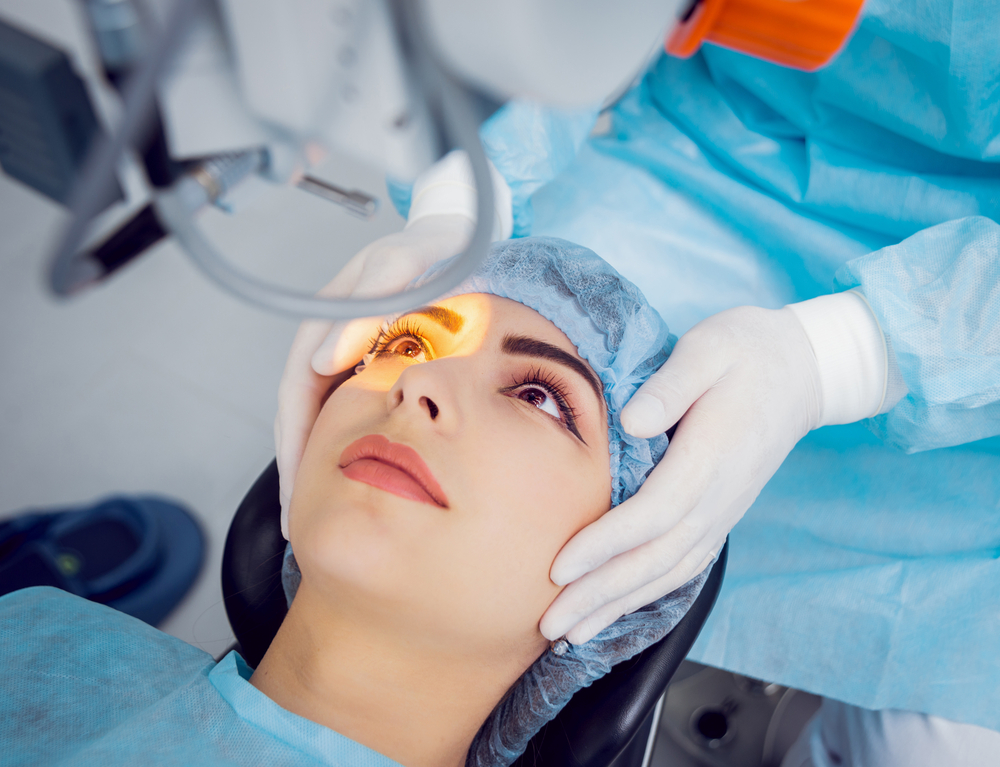
That’s why an eye test glaucoma check matters. It helps detect early changes before daily life is affected, and it gives optometrists the chance to act quickly, especially for people with higher risk factors.
What is glaucoma, and why is it called the “silent thief of sight”?
Glaucoma is a group of eye conditions that damage the optic nerve, often linked to pressure inside the eye. It is called “silent” because many people notice no pain and no early symptoms.
In Australia, glaucoma is a leading cause of irreversible vision loss, but early detection can slow or prevent further damage. This is where an eye test glaucoma check can make a real difference.
Why does risk increase after age forty?
Risk rises after forty because age is a major factor in optic nerve vulnerability and changes in eye drainage. Even people with no vision complaints can develop early glaucoma signs.
Australian eye health guidance commonly highlights regular checks from midlife onwards, particularly as some glaucoma types progress gradually. Booking an eye test glaucoma check is often the simplest preventive step.
What actually happens during an eye test glaucoma check?
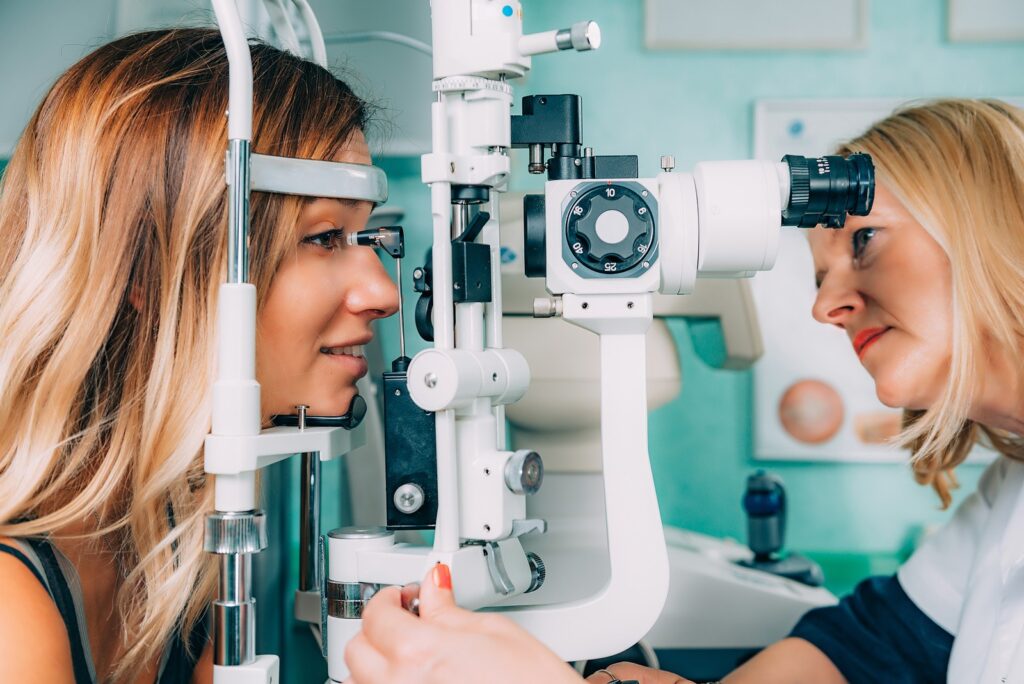
An eye test glaucoma check typically includes several quick assessments that together build a risk picture. The optometrist may measure eye pressure, examine the optic nerve, and assess peripheral vision.
They may also use imaging tools such as OCT (optical coherence tomography) to map the nerve fibre layer. The goal is not one single “glaucoma test”, but a set of findings that either reassure or prompt monitoring.
Why isn’t eye pressure alone enough to rule glaucoma in or out?
Eye pressure can be normal in some glaucoma cases and high in people who never develop optic nerve damage. That is why pressure readings alone cannot confirm or exclude glaucoma.
Optometrists usually interpret pressure alongside optic nerve appearance, corneal thickness, and visual field results. A proper eye test glaucoma check looks at the whole pattern, not just one number.
Who in Australia should prioritise a glaucoma check after forty?
They should prioritise checks if they have a family history of glaucoma, diabetes, high blood pressure, migraines, or previous eye injuries. People who are short-sighted (myopic) may also have higher risk.
Aboriginal and Torres Strait Islander peoples can face higher rates of preventable vision loss, so regular eye care access matters. For many, an eye test glaucoma check is a practical way to stay ahead of problems.
What symptoms might they notice, and why do symptoms often arrive late?
Most open-angle glaucoma develops slowly and affects peripheral vision first, which the brain can mask. They might not notice anything until vision loss interferes with driving, navigating steps, or seeing in dim light.
Acute angle-closure glaucoma is different and can cause sudden pain, redness, halos, headache, and nausea. Routine prevention, however, focuses on detecting the more common silent form early, which is why an eye test for glaucoma can be important.
How often should Australians over forty get checked?
Frequency depends on risk, but many Australians benefit from a baseline assessment after forty, then regular reviews as advised. Those with higher risk factors may need more frequent monitoring.
An optometrist can set a recall schedule based on findings, not guesswork. Keeping up with an eye test glaucoma check at the recommended interval is often what prevents late discovery.
What’s the difference between an optometrist and an ophthalmologist for glaucoma care?
Optometrists perform assessments, detect risk, and monitor many stable cases, and they can refer when needed. Ophthalmologists are medical specialists who confirm diagnoses and manage complex cases, including surgery.
In Australia, they often work as a team, with referrals guided by test results and disease severity. It commonly starts with an eye test glaucoma check at a local optometry clinic.
Can Medicare or private health help cover glaucoma-related eye care?
Many eye tests at optometrists are bulk billed in Australia, though it varies by provider and the services included. Some advanced imaging may involve additional fees, depending on the clinic.
Ophthalmology appointments may attract Medicare rebates, and private health insurance can help with some hospital and procedure costs. Regardless, an eye test glaucoma check is usually far less costly than managing advanced vision loss.
What questions should they ask during the appointment?
They can ask what their eye pressure means in context, whether their optic nerve looks healthy, and whether imaging is recommended. They can also ask how often they should return and what changes would trigger a referral.
If they have a family history, they should mention it clearly and ask how it affects their recall schedule. A strong eye test glaucoma check includes clear next steps, not just results.
What lifestyle steps support eye health, even if they can’t “prevent” glaucoma?
They can support overall eye health by keeping blood pressure and diabetes well managed, staying physically active, and not smoking. They should also use eye protection for DIY, sport, and work where injuries can happen.
Lifestyle cannot replace medical monitoring, because glaucoma is often unrelated to how “healthy” someone feels. Still, good habits plus an eye test glaucoma check is a sensible combination.
What happens if early glaucoma changes are found?
If early changes are detected, the plan may be monitoring, referral, or treatment depending on risk and progression. Some people are labelled “glaucoma suspects” and watched closely with repeat scans and visual fields.
If treatment is needed, it often starts with prescription eye drops to lower pressure, and sometimes laser or surgery is considered by an ophthalmologist. The key point is that an eye test glaucoma check can catch the problem when options are strongest.
Why does this matter for driving, work, and independence after forty?
Glaucoma can affect peripheral vision, contrast sensitivity, and adaptation to low light, which can impact driving safety, especially at night. It can also affect work tasks that rely on scanning, movement awareness, or detailed visual judgement.
Because damage is irreversible, maintaining functional vision is the priority. Regular monitoring through an eye test glaucoma check helps protect independence, not just eyesight.
What’s the simplest next step they can take today?
They can book a comprehensive eye examination and ask specifically for glaucoma screening appropriate for their age and risk. They should bring a list of medications and mention any family history of glaucoma.
Even if their vision seems fine, prevention is the point. For Australians over forty, an eye test glaucoma check is one of the practical health checks they can keep up with, while understanding the potential glaucoma surgery cost in Australia can also help them plan if treatment is eventually recommended.
FAQs (Frequently Asked Questions)
What is glaucoma and why is it called the “silent thief of sight”?
Glaucoma is a group of eye conditions that damage the optic nerve, often linked to increased pressure inside the eye. It’s called the “silent thief of sight” because it usually develops without pain or early symptoms, leading to irreversible vision loss if undetected. Early detection through an eye test glaucoma check can slow or prevent further damage.
Why does the risk of glaucoma increase after age forty?
After age forty, changes in eye drainage and increased vulnerability of the optic nerve raise the risk of developing glaucoma. Many people may have no vision complaints yet still show early signs. Regular eye test glaucoma checks from midlife onwards are recommended to detect glaucoma early and prevent progression.
What happens during an eye test glaucoma check?
An eye test glaucoma check includes measuring eye pressure, examining the optic nerve, assessing peripheral vision, and possibly using imaging tools like OCT to map nerve fiber layers. The optometrist evaluates multiple factors together to identify early signs of glaucoma or reassure you if no issues are found.
Why isn’t measuring eye pressure alone enough to diagnose or rule out glaucoma?
Eye pressure readings alone can be misleading—some people with normal pressure develop glaucoma, while others with high pressure do not. Optometrists consider eye pressure alongside optic nerve appearance, corneal thickness, and visual field tests during an eye test glaucoma check for a comprehensive assessment.
Who should prioritise getting an eye test glaucoma check after forty in Australia?
People over forty with risk factors such as family history of glaucoma, diabetes, high blood pressure, migraines, previous eye injuries, or myopia should prioritise regular checks. Aboriginal and Torres Strait Islander peoples also face higher risks and benefit from consistent eye care to prevent vision loss.
How often should Australians over forty get an eye test glaucoma check?
Frequency depends on individual risk factors. Many adults benefit from a baseline assessment after forty followed by regular reviews as advised by their optometrist. Those at higher risk may need more frequent monitoring. Maintaining recommended intervals for an eye test glaucoma check helps detect glaucoma early.