
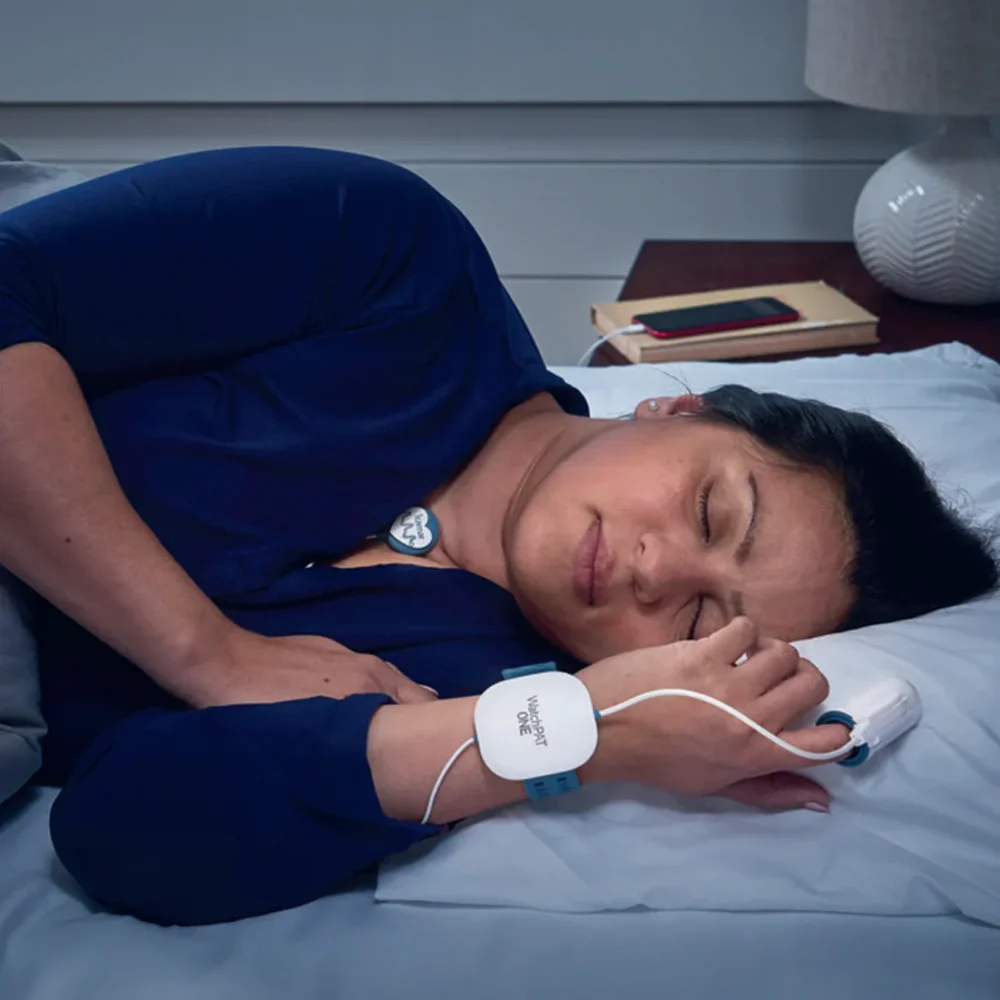
This guide explains what Medicare typically covers for sleep study costs in Australia and what out of pocket costs they might still face.
What is a sleep study and why do they need one?
When considering sleep study cost medicare Australia, a sleep study is a medical test that records breathing, oxygen levels, heart rate, and sleep stages to diagnose conditions like obstructive sleep apnoea. They usually need one when a GP suspects sleep apnoea due to loud snoring, choking or gasping at night, morning headaches, or daytime fatigue.
The type of test matters because Medicare rules and costs differ for in-lab versus home studies.
Does Medicare cover the cost of a sleep study in Australia?
Medicare can provide a rebate for eligible sleep studies when they are medically necessary and ordered by an appropriate clinician. Whether they pay nothing, a small gap, or a larger gap depends on the provider’s fees and whether the service is bulk billed.
They should expect Medicare to cover the rebate amount, not automatically the full provider charge.
What’s the difference between an in-lab sleep study and a home sleep test for Medicare cover?
In-lab studies are performed overnight in a sleep laboratory, usually with more sensors and supervision. Home sleep tests are performed at home using a portable device and are often used to investigate straightforward suspected sleep apnoea.
Medicare rebates and provider pricing can vary by test type, and home tests can be cheaper overall, though not always bulk billed.
Do they need a GP referral to get Medicare benefits for a sleep study?
They generally need a referral pathway for Medicare benefits, starting with a GP assessment and referral to a sleep physician, respiratory physician, ENT specialist, or an appropriate service that can arrange testing. Some clinics also accept direct GP referrals for home testing, depending on their model and compliance processes.
They should ask the clinic what referral is required for Medicare claiming before booking.
Will Medicare cover a sleep study done through a private clinic?
Medicare may still rebate part of the cost when a private clinic provides an eligible service, but private clinics often charge above the rebate. That difference is the “gap” they pay out of pocket.
They should request a written quote that shows the Medicare item number, the provider fee, the expected Medicare rebate, and their estimated gap.
Can they get a bulk billed sleep study under Medicare?
Some providers offer bulk billing for certain sleep studies, meaning Medicare pays the rebate directly and they pay nothing for the test itself. Bulk billing is more common in public hospital pathways and some high volume home testing services, but it is not guaranteed.
They should ask directly, “Is the sleep study bulk billed for my referral type and clinical situation?”
What out of pocket costs should they expect even with Medicare?
Even with Medicare rebates, they may face out of pocket costs such as specialist consultation fees, reporting fees, equipment hire fees, or administrative charges. Costs vary widely between clinics, locations, and whether they are treated publicly or privately.
They should also budget for follow up appointments, because diagnosis is only the first step.
Does Medicare cover CPAP trials or machines after a sleep study?
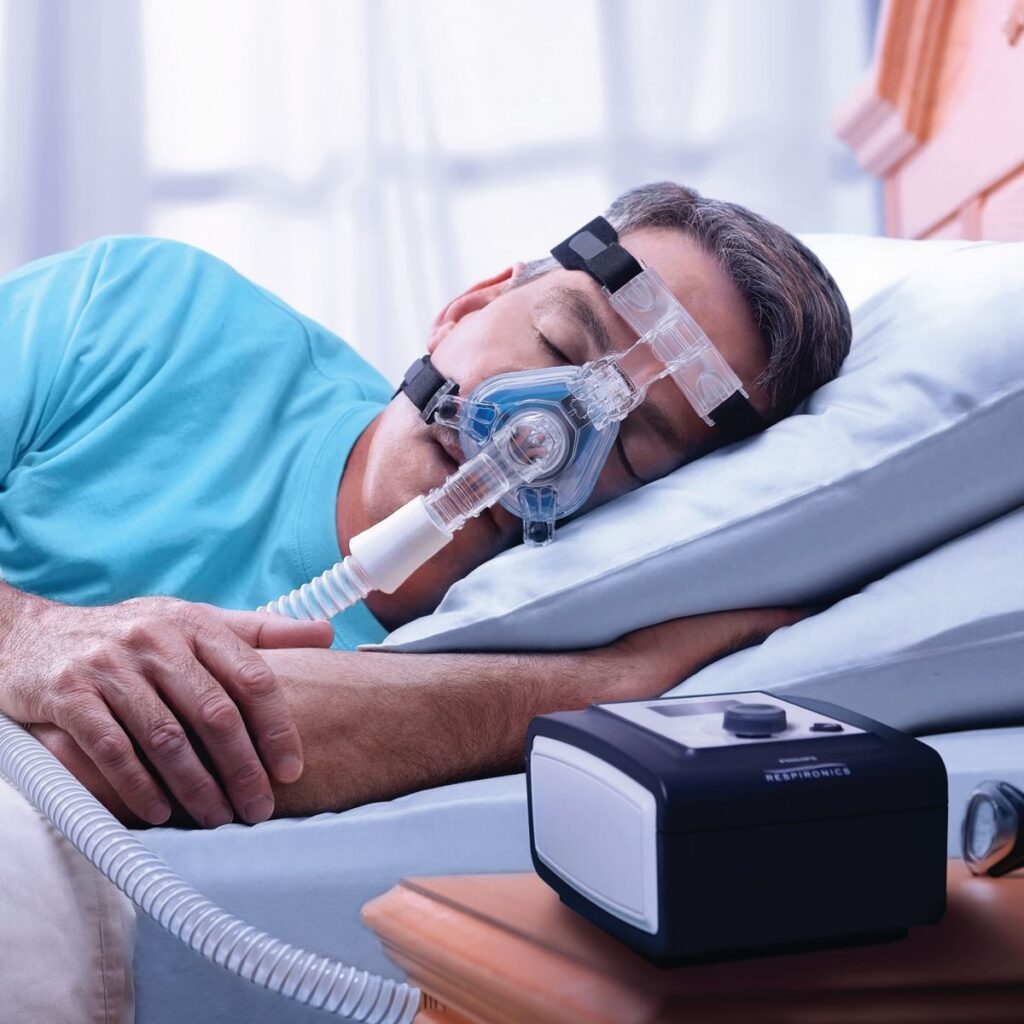
Medicare generally does not pay for the CPAP machine itself for most people in the community. They may have limited support through certain public hospital programs, veteran services, or specific eligibility pathways, but most people purchase or rent CPAP privately.
They should treat the sleep study and the treatment equipment as separate cost decisions.
How much does a sleep study cost in Australia with and without Medicare?
There is no single national price, but typical patterns are consistent. Public pathways can be low cost or free with waiting lists, private in-lab studies are often the most expensive, and home tests are commonly mid range.
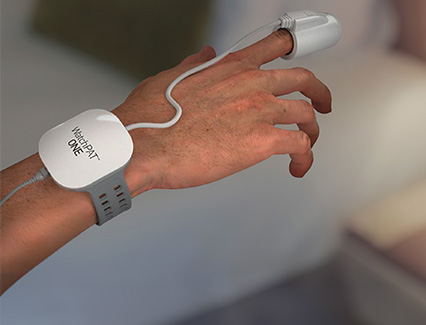
The only reliable way to estimate their cost is to confirm three numbers in advance: the clinic’s fee, the Medicare rebate, and the expected gap. See sleep apnea home test Australia reliability compared with lab testing.
What questions should they ask the clinic before booking a sleep study?
They can avoid surprise bills by asking a few direct questions before they commit. The clinic should be able to answer them clearly and in writing.
They should ask:
- Which Medicare item number will be billed?
- Is it bulk billed, and if not, what is the gap?
- Are there separate fees for setup, interpretation, or reporting?
- Will they need a specialist appointment first, and what will that cost?
- What happens if the test is inconclusive and needs repeating?
How can they reduce their sleep study costs legally and safely?
They can often reduce costs by choosing the right pathway for their situation. A GP can help them compare public hospital referrals versus private clinics, based on symptom severity and urgency.
They can also reduce costs by confirming bulk billing availability, comparing quotes from multiple providers, and asking whether a home test is clinically appropriate before paying for an in-lab study.
What’s the simplest way to know what Medicare will cover for their sleep study?
They should start by getting a referral and then requesting a formal quote from the testing provider that includes Medicare item numbers and expected rebates. If they are unsure, they can also confirm the service and rebate details through Medicare directly using the item number.
Once they have those details, they can make a clear decision based on total expected out of pocket cost, not just the advertised price.
FAQs (Frequently Asked Questions)
What is a sleep study and why might I need one?
A sleep study is a medical test that records breathing, oxygen levels, heart rate, and sleep stages to diagnose conditions like obstructive sleep apnoea. You might need one if your GP suspects sleep apnoea due to symptoms such as loud snoring, choking or gasping at night, morning headaches, or daytime fatigue.
Does Medicare cover the cost of a sleep study in Australia?
Medicare can provide a rebate for eligible sleep studies when they are medically necessary and ordered by an appropriate clinician. The amount covered depends on factors like where the study happens, who orders it, and how it is billed. You may still have out of pocket costs depending on provider fees and whether the service is bulk billed.
What is the difference between an in-lab sleep study and a home sleep test regarding Medicare coverage?
In-lab sleep studies are conducted overnight in a sleep laboratory with more sensors and supervision, while home sleep tests use portable devices at home to investigate straightforward suspected sleep apnoea. Medicare rebates and provider pricing vary by test type; home tests can be cheaper overall but are not always bulk billed.
Do I need a GP referral to get Medicare benefits for a sleep study?
Yes, generally you need a referral pathway starting with a GP assessment and referral to a specialist such as a sleep physician or respiratory physician. Some clinics accept direct GP referrals for home testing depending on their model. It’s important to ask the clinic what referral is required for Medicare claiming before booking.
Can I get a bulk billed sleep study under Medicare?
Some providers offer bulk billing for certain sleep studies where Medicare pays the rebate directly and you pay nothing for the test itself. Bulk billing is more common in public hospital pathways and some high volume home testing services but is not guaranteed. Always ask if the sleep study will be bulk billed for your referral type and clinical situation.
What out of pocket costs should I expect even with Medicare coverage?
Even with Medicare rebates, you may face out of pocket expenses such as specialist consultation fees, reporting fees, equipment hire fees, or administrative charges. Costs vary widely between clinics and locations. Additionally, budget for follow-up appointments since diagnosis is only the first step in treatment.