

When people start comparing providers, the first thing they want is a clear dollar range they can trust. The cost of cataract surgery in Australia right now depends on where they live, which lens they choose, and whether they go public, private, or use “no gap” arrangements.
This guide breaks down current, real world pricing factors in an Australian context, so they can budget confidently and ask the right questions before booking.
What does cataract surgery usually cost in Australia right now?
In most private settings, the cost of cataract surgery australia commonly falls into a few broad bands, depending on inclusions. Many people see totals that range from a low four figures per eye to several thousand per eye once surgeon, hospital, and lens choices are added.
Public care can be low cost for eligible patients, but wait times may be longer. Private care is faster, but the invoice is made up of several separate fees.
What are they actually paying for in a cataract surgery quote?
A quote is usually a bundle of line items, not one single price. The cost of cataract surgery in Australia is typically made up of surgeon fees, anaesthetist fees (if used), theatre or day hospital charges, the intraocular lens, and pre and post operative appointments.
Some clinics present an all inclusive package, while others separate every component. They should ask for an itemised estimate so they can compare like for like across providers.
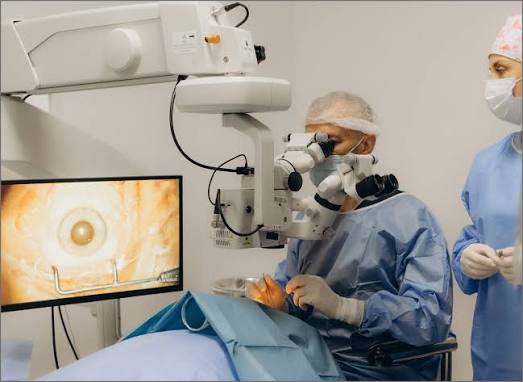
How much does cataract surgery cost in the public system?
For eligible Medicare patients treated as public patients, hospital costs are generally covered, so out of pocket costs can be minimal. That said, the experience often involves triage and waiting lists, and patients usually cannot choose their surgeon or exact lens options.
If they are weighing public care, they should ask about expected wait times in their Local Health District (NSW), Hospital and Health Service (QLD), or equivalent state system, because access varies by location and demand.
How much does cataract surgery cost in the private system?
Private treatment usually means shorter waits, more choice of surgeon, and more flexibility on lens options. As a result, the cost of cataract surgery in Australia is often higher privately, even after Medicare and private health insurance rebates.
They should expect separate bills from the surgeon and the hospital or day surgery centre, and sometimes a separate anaesthetist bill. The final out of pocket amount depends on each provider’s gap policy and their insurer’s agreement.
How does Medicare affect out of pocket costs?
Medicare generally contributes to eligible medical services, but it does not guarantee zero out of pocket costs. The cost of cataract surgery in Australia can still include a “gap” between a doctor’s fee and the Medicare benefit.
They should ask the surgeon’s rooms what Medicare item numbers will be used and what the estimated Medicare rebate is. This helps them understand the likely gap and compare it against other surgeons’ fee schedules.
How does private health insurance change the total price?
Private health insurance can reduce hospital and theatre costs if they have the right level of cover and have served waiting periods. Even with cover, the cost of cataract surgery in Australia may include out of pocket expenses for the surgeon, the lens upgrade, or an anaesthetist.
They should confirm, in writing, whether their policy covers cataract surgery as an inpatient service, what their excess is, and whether their fund has an agreement with the hospital. They should also ask if the surgeon participates in a “known gap” or “no gap” scheme.
What is “no gap” or “known gap” cataract surgery, and is it really free?
“No gap” usually means the doctor charges no out of pocket above the scheduled benefit for that medical service, but it does not always mean every part of the episode is free. The cost of cataract surgery in Australia under these offers can still include an insurance excess, upgrades, or non covered extras.
They should ask what exactly is included, whether the hospital is fully covered under their fund, and whether the lens is a standard monofocal lens or an upgraded option. The key is whether they will receive any other invoices after the surgery date.
How much do different lens types change the cost?
Lens choice is one of the biggest drivers of price variation. The cost of cataract surgery in Australia is usually lowest with a standard monofocal lens, which is designed to provide clear vision at one distance.
Premium lenses, such as multifocal or extended depth of focus lenses, can increase out of pocket costs because they may attract additional charges or may not be fully covered by insurers. Toric lenses for astigmatism can also add cost. They should ask what the lens fee includes and whether enhancement procedures are priced separately.
Do city and regional locations affect pricing?
Yes. Provider availability, theatre costs, and local competition can affect fees, so the cost of cataract surgery in Australia may differ between major cities and regional areas. People in Sydney, Melbourne, and Brisbane may find a wide spread of pricing because there are more providers and more package models.
In some regional centres, there may be fewer private day surgery options, which can affect scheduling and hospital fees. If they are willing to travel, they should factor in follow up visits and any accommodation costs.
What extra costs do they forget to budget for?
The surgery fee is not always the whole story. The cost of cataract surgery in Australia can rise with pre operative scans, post operative drops, new glasses, and time off work or driving restrictions during recovery.
They may also need to budget for a second eye procedure if both eyes are affected, which is common. They should ask whether follow ups are included, whether there are charges for additional visits, and what happens financially if surgery needs to be rescheduled.
Are there price differences between hospital and day surgery centres?
Many cataract procedures are performed in private day surgery facilities, which can be more cost effective than some larger private hospitals. Even so, the cost of cataract surgery in Australia still depends on facility fees, agreements with health funds, and the specific theatre charge structure.
They should ask where the procedure will be performed, whether that facility has a contract with their insurer, and whether their policy excess applies. A cheaper facility fee can be offset by higher gaps elsewhere, so an itemised total matters more than one line item.
What questions should they ask to get an accurate, comparable quote?
They can usually avoid surprises by asking a short list of direct questions. For the cost of cataract surgery in Australia, they should request the total expected out of pocket cost, then confirm each component.
They should ask:
- What is the surgeon’s total fee and the estimated Medicare rebate?
- Will there be an anaesthetist, and what is their estimated gap?
- What are the hospital or day surgery fees, and are they fully covered by the insurer?
- Is the lens standard or premium, and what extra charges apply?
- Are pre op tests, post op visits, and emergency reviews included?
- Will they receive separate invoices from any other providers?

When is the cheapest option not the best value?
The lowest quote may exclude important inclusions, or it may assume standard lenses when they want reduced dependence on glasses. The cost of cataract surgery in Australia should be weighed against surgeon experience, access to modern diagnostics, clear aftercare arrangements, and transparent pricing.
They should also consider convenience and safety, such as how quickly they can be reviewed if symptoms change. A slightly higher out of pocket cost can be worth it if it includes better continuity of care and fewer surprise fees.
How can they reduce out of pocket costs safely?
They can often reduce spending without cutting corners by comparing itemised quotes, checking insurer agreements, and asking about standard lens options. Because the cost of cataract surgery in Australia is influenced by gaps and facility arrangements, they can also ask the surgeon’s rooms whether a different contracted facility is available.
If they have private cover, they should confirm they are admitted as an inpatient where appropriate, because that is often how hospital benefits apply. They should also avoid upgrading lenses purely on marketing claims and instead match the lens choice to their lifestyle and prescription needs.
What is the simplest way to estimate their likely total right now?
They can get a practical estimate by treating the process like a three part budget. For the cost of cataract surgery in Australia, they should total (1) surgeon gap after Medicare, (2) hospital or day facility out of pocket after insurance and any excess, and (3) lens or upgrade fees plus medications.
Once they have those three numbers in writing, they will usually have a reliable ballpark for their own situation. If a provider will not give clear estimates, it is reasonable for them to seek a second quote.
The cost of cataract surgery in Australia varies widely depending on factors such as location, lens choice, and whether the procedure is done publicly or privately. In private settings, costs can range from a low four figures per eye to several thousand dollars per eye once surgeon, hospital, and lens fees are included. Public care may be low cost for eligible patients but often involves longer wait times.
A cataract surgery quote usually includes multiple line items such as surgeon fees, anaesthetist fees (if applicable), theatre or day hospital charges, the intraocular lens cost, and pre- and post-operative appointments. Some clinics offer all-inclusive packages while others itemize every component. Patients should request an itemised estimate to accurately compare providers.
For eligible Medicare patients treated as public patients, hospital costs are generally covered resulting in minimal out-of-pocket expenses. However, public system surgeries often involve triage and waiting lists with limited choice of surgeon or lens options. Wait times vary by Local Health District or equivalent state system, so patients should inquire about expected wait times before deciding.
Private cataract surgery typically offers shorter wait times, more surgeon options, and greater flexibility in lens choices but comes with higher costs even after Medicare and private health insurance rebates. Patients can expect separate bills from the surgeon, hospital or day surgery centre, and sometimes an anaesthetist. Out-of-pocket expenses depend on the provider’s gap policy and insurance agreements.
Medicare contributes to eligible medical services but does not always eliminate out-of-pocket costs due to possible gaps between doctor fees and Medicare benefits. Private health insurance can reduce hospital and theatre charges if coverage levels and waiting periods are met; however, additional expenses like surgeon fees, lens upgrades, or anaesthetist charges may still apply. Patients should confirm coverage details and known gap schemes with their insurer and providers.
Yes, lens choice is a significant factor influencing the cost of cataract surgery in Australia. Standard monofocal lenses generally have the lowest out-of-pocket expense as they provide clear vision at one distance. Premium lenses such as multifocal, extended depth of focus, or toric lenses for astigmatism often incur additional charges since they may not be fully covered by insurance. Patients should clarify what lens fees include and whether any enhancement procedures carry extra costs.