

A diagnosis can feel like a line in the sand. Once a sleep study Perth diagnosis confirms obstructive sleep apnoea, the next steps usually become clearer, faster, and more practical than many people expect.
In Australia, the pathway often involves a treating GP, a sleep physician, and a therapy plan that fits their symptoms, lifestyle, and budget. The aim is simple: reduce breathing interruptions at night and improve daytime function and long-term health.
What does the diagnosis actually mean for them?
It means their breathing repeatedly narrows or stops during sleep, which fragments sleep and reduces oxygen levels. After a Perth sleep study diagnosis, the severity is generally described as mild, moderate, or severe, based on how often events occur per hour.
That severity guide helps shape treatment urgency and choice. It can also explain why they feel exhausted, foggy, irritable, or why they snore loudly even after a full night in bed.
Who explains the results and what happens first?
Results are usually reviewed by a GP or sleep specialist, often with a written report that includes key indices and sleep stages. After a sleep study Perth diagnosis, the first step is typically a results appointment to confirm the type of apnoea and rule out lookalikes such as insomnia-driven fatigue.
They may be asked about driving risk, work safety, alcohol intake, medications, and nasal blockage. If symptoms are severe, the clinician may recommend starting treatment quickly rather than “watching and waiting.”
What if they’re worried about driving and safety in WA?
They should treat daytime sleepiness as a safety issue, not a personal failing. After a sleep study Perth diagnosis, clinicians commonly discuss drowsy driving and may advise avoiding long drives, shiftwork changes, or taking extra breaks until treatment is stabilised.
In Australia, fitness-to-drive responsibilities can apply when sleepiness is significant. The practical approach is to follow medical advice, document treatment progress, and prioritise safety for them and others on WA roads.
How do they decide which treatment they need?
Treatment choice usually depends on severity, symptoms, anatomy, and personal preference. After a sleep study Perth diagnosis, many people are offered CPAP first, especially if apnoea is moderate to severe or if they have high risk factors like hypertension.
Others may be suitable for an oral appliance, weight-related strategies, positional therapy, or combined approaches. The plan is often framed as “what will they actually use consistently,” because adherence matters as much as the option itself.
Will they be offered CPAP straight away?
Often, yes. CPAP is commonly recommended because it is highly effective when used properly. After a sleep study Perth diagnosis, they may be offered a CPAP trial, an auto-adjusting device, or a titration process to find the most comfortable and effective pressure range.
They can expect follow-ups early on, because the first two to six weeks are when most issues show up. Comfort fixes usually exist, but they need to be addressed quickly so therapy does not drift into the cupboard.
What does a CPAP trial look like in practice?
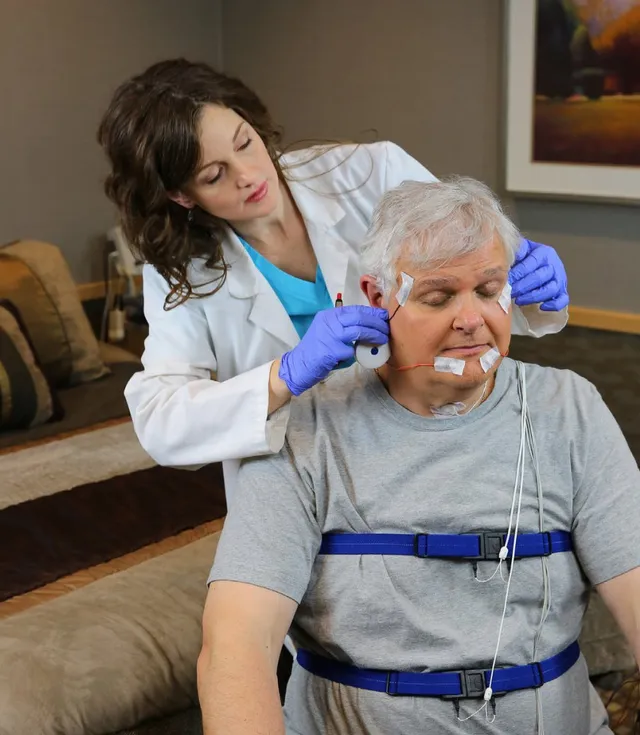
A trial usually involves selecting a mask style, setting up humidity, and reviewing a few nights of data. After a sleep study Perth diagnosis, they might be supported by a sleep clinic or an equipment provider who checks leak, usage hours, and residual events.
They may need a few adjustments, such as a different cushion size, heated tubing, or changes to ramp and exhalation relief. The goal is not perfection on night one, but steady progress toward comfortable, regular use.
What if they can’t tolerate CPAP?
It happens, and it does not mean they have “failed” treatment. After a sleep study Perth diagnosis, the next step is usually troubleshooting: mask fit, pressure comfort, dryness, claustrophobia, or nasal obstruction.
If CPAP still isn’t workable, a clinician may consider an oral appliance through a dentist trained in sleep medicine, or a different PAP mode if indicated. Many people succeed once their barriers are identified and addressed rather than ignored.
Can an oral appliance replace CPAP for them?
Sometimes. Oral appliances can be effective for mild to moderate obstructive sleep apnoea, especially when they are custom-fitted and properly adjusted. After a sleep study Perth diagnosis, suitability depends on jaw structure, dental health, and how severe their events are.
They should expect follow-up and, in many cases, a repeat study or objective check to confirm the appliance is actually controlling apnoea, not just reducing snoring.
What lifestyle changes are typically recommended in Australia?
Lifestyle changes can meaningfully reduce symptoms, and they often improve overall cardiometabolic health. After a sleep study Perth diagnosis, clinicians commonly discuss weight management, alcohol timing, smoking, exercise, and sleep routine.
Small changes can matter, such as reducing alcohol close to bedtime, treating nasal congestion, and aiming for consistent sleep timing. These steps are usually positioned as “supporting treatment,” not replacing it when apnoea is moderate to severe.
Does sleep position really matter after the diagnosis?
Yes, for some people. Positional obstructive sleep apnoea is worse when they sleep on their back. After a sleep study Perth diagnosis, they may be advised to trial side-sleeping strategies, positional devices, or pillow adjustments if their report suggests position-related events.
This can be especially helpful for mild cases or as an add-on to other therapy. It is still important to confirm improvement, because “feeling better” does not always equal controlled apnoea.
What health risks might they be told about?
They may be told that untreated obstructive sleep apnoea is linked with higher risk of hypertension, cardiovascular disease, stroke, type 2 diabetes, mood issues, and workplace or driving accidents. After a sleep study Perth diagnosis, clinicians often explain risk in practical terms: better treatment adherence usually means better blood pressure, energy, concentration, and safer days.
They may also be advised to review other conditions such as reflux, asthma, nasal blockage, or depression, because these can worsen sleep quality even when apnoea is treated.
What follow-up should they expect and when?
Follow-up is usually sooner than they expect, especially if CPAP is started. After a sleep study Perth diagnosis, many services check in within the first month, then again around three months, and then at least yearly if things are stable.
These reviews may include symptom check, device data review, mask assessment, and discussion of side effects. If symptoms persist despite good usage, they may need pressure adjustment or investigation for another sleep issue.
How do they know treatment is actually working?
The first signs are often fewer morning headaches, less daytime sleepiness, improved mood, and better concentration. After a sleep study Perth diagnosis, objective indicators matter too, such as CPAP usage hours, reduced leak, and low residual apnoea indices.
They may also notice their partner reports less snoring or fewer witnessed pauses. If they still feel exhausted, clinicians may look at sleep duration, insomnia, restless legs, medications, shiftwork, or other contributors.
Will they need another sleep study?
Sometimes. A repeat study may be recommended if symptoms continue, if there is major weight change, after certain surgeries, or to confirm effectiveness of an oral appliance. After a sleep study Perth diagnosis, repeat testing can also be used to confirm that therapy settings match their needs over time.
In Australia, some follow-ups can be done via home sleep testing depending on circumstances. The clinician will usually match the method to the question being answered.
What costs and rebates might apply for Australians?
Costs vary depending on whether care is public, private, or mixed. After a sleep study Perth diagnosis, they may face expenses for specialist appointments, CPAP equipment, masks, and ongoing supplies, although some services offer trials or payment plans.
Medicare may cover parts of consultations and some diagnostic testing depending on eligibility and referral pathways. Private health insurance extras may contribute to appliances, while hospital cover may affect how certain services are billed. They should ask for an itemised quote and rebate guidance upfront.
What should they do if they feel overwhelmed by the process?
They should focus on the next smallest step: results review, then a treatment trial, then a check-in. After a sleep study Perth diagnosis, it is normal to feel frustrated, especially if they have struggled for years without understanding why.
Most early problems are solvable with practical tweaks and support. If anxiety or low mood is part of the picture, they may benefit from discussing it with their GP, because mental health and sleep quality often move together.
What does “long-term management” look like for them?
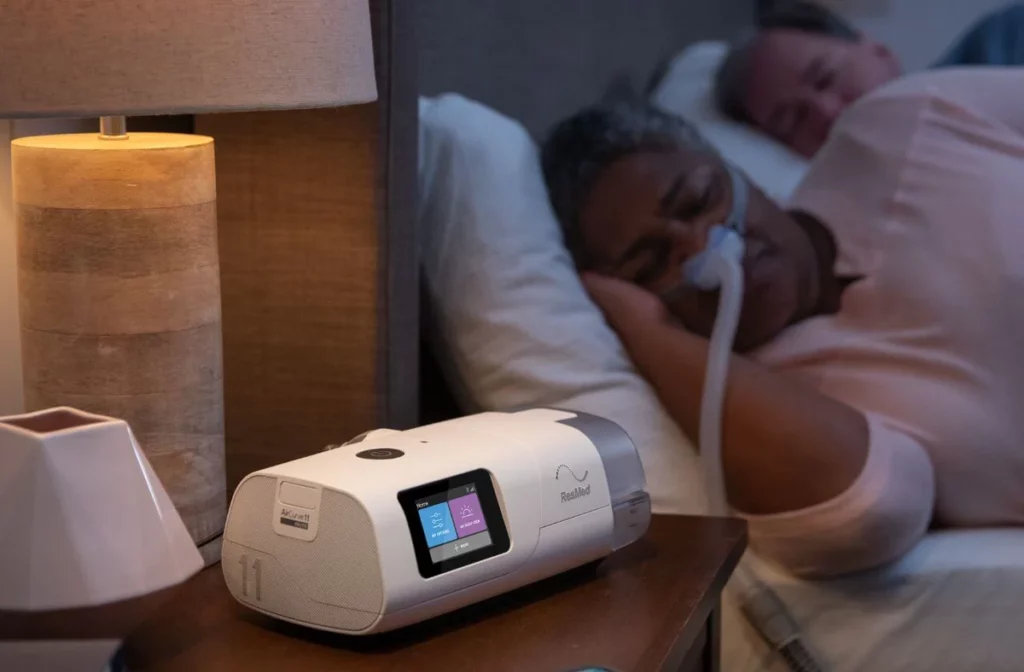
Long-term management usually means consistent therapy, periodic reviews, and replacing equipment as it wears. After a sleep study Perth diagnosis, many people treat it like other chronic conditions: it is monitored, adjusted, and kept stable rather than “cured and forgotten.”
If their circumstances change, such as weight, pregnancy, menopause, new medications, or shiftwork, the plan may change too. The best outcomes usually come from treating apnoea as a long game, not a one-off fix.
What are the key next steps they can take this week?
They can book a clear results discussion, ask what severity means for them, and confirm the recommended treatment path. After a sleep study Perth diagnosis, it helps to write down their top three issues, such as fatigue, snoring, blood pressure, or driving sleepiness, and bring them to the appointment.
They can also prepare practical questions: What option is most effective for their severity? What follow-up is scheduled? What costs apply in Australia? That clarity is often what turns a diagnosis into real improvement.
Related : What Referral Process Precedes a Sleep Study Sydney Appointment?