
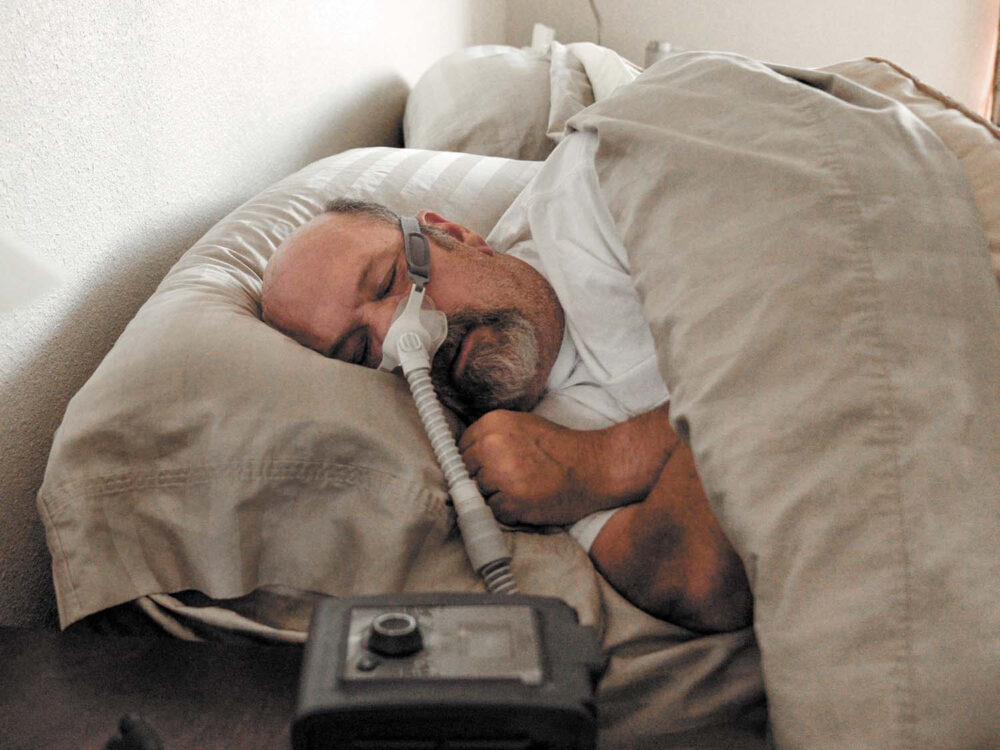
Booking a sleep test in Australia is rarely as simple as picking a date and turning up. For most people, a sleep study Sydney appointment starts with a GP conversation, a referral pathway, and a few practical checks that make sure the right test happens at the right time.
This guide explains what typically happens before a sleep study Sydney appointment, step by step, using Australian systems, providers, and expectations.
What symptoms usually trigger the first step towards a sleep study?
Most referrals begin because they (or their partner) notice signs of poor sleep quality that do not resolve. Common triggers include loud snoring, witnessed breathing pauses, waking unrefreshed, morning headaches, and daytime sleepiness that affects work or driving.
In Australia, clinicians also take fatigue seriously when it overlaps with high blood pressure, weight changes, diabetes risk, or mood issues, because sleep disorders can worsen all of them.
Who do they speak to first: a GP or a specialist?
In most cases, they start with their GP. A GP is usually the fastest entry point and can assess symptoms, review medications, check risk factors, and organise a referral if a Sydney sleep study appointment is appropriate.
Some people do see a respiratory and sleep physician directly, but in Australia that often still works best with a GP referral, especially when Medicare rebates or private health processes are involved.
What does the GP assess before making a referral?
A GP typically takes a focused sleep history and screens for obstructive sleep apnoea and related problems. They may ask about snoring volume, choking or gasping, night sweats, insomnia patterns, and whether they fall asleep unintentionally during the day.
They often check blood pressure, BMI, neck circumference, alcohol intake, smoking status, and sedating medications, because these can influence both risk and which sleep test is most suitable.
Do they complete any questionnaires before being referred?
Yes, many clinics use short screening tools to justify and guide a referral. They might be asked to complete the Epworth Sleepiness Scale (daytime sleepiness) and sometimes STOP-Bang (sleep apnoea risk).
These tools do not diagnose anything on their own, but they help the GP document risk, communicate urgency, and support the clinical reasoning behind a sleep study Sydney appointment.
What types of referrals can lead to a sleep study?
Referrals in Australia commonly come from a GP, a sleep physician, a respiratory physician, or an ENT surgeon. Cardiologists and psychiatrists sometimes refer too when symptoms overlap with heart rhythm issues, resistant hypertension, or treatment-resistant mood problems.
For children, the pathway often involves a GP referral to a paediatrician or ENT first, then a sleep service if a study is needed.
What information should be included in the referral letter?
A good referral letter makes the booking smoother and reduces back-and-forth. It usually includes symptoms and duration, relevant medical history, current medications, BMI, comorbidities, and any safety issues such as drowsy driving.
It may also mention whether they are being assessed for CPAP, whether they have insomnia features, and whether the clinician suspects another disorder such as restless legs or narcolepsy, all of which can change the right sleep study Sydney appointment option.
Why might they be referred for a home study instead of an in-lab study?
Many Australians start with a home sleep apnoea test (HSAT) if the main concern is suspected obstructive sleep apnoea and there are no major complicating conditions. Home testing is often cheaper, faster to schedule, and easier for those who cannot sleep in a lab.
An in-lab polysomnogram is more likely if they have complex symptoms, significant heart or lung disease, possible parasomnias, suspected narcolepsy, or if a home test is negative but clinical suspicion remains high before a sleep study Sydney appointment is ruled out.
How do Medicare and private health affect the referral pathway?
Costs and rebates depend on the test type, provider, and setting. Some sleep studies attract Medicare rebates when arranged through appropriate medical pathways, but the exact eligibility varies and patients should confirm directly with the clinic and their referring doctor.
Private health insurance may cover parts of an in-hospital study depending on the policy, waiting periods, and whether the provider is in-network. It is common for clinics to request referral details early so they can quote accurately before a sleep study Sydney appointment is confirmed.
What happens after the referral is sent to a sleep clinic?
After receiving a referral, the clinic usually triages it. They may review symptoms, questionnaire scores, medical history, and urgency. Some clinics book the test first, while others schedule an initial consultation with a sleep physician to decide which study is needed.
They may also contact them to confirm practical details like shift work, mobility needs, anxiety about sleeping away from home, and whether they have a support person, which can influence the sleep study Sydney appointment timing and setup.
Do they need a pre-study consultation before booking the sleep study?
Often yes, but not always. Many home tests can be arranged quickly after a GP referral, sometimes with a brief phone intake. In-lab studies more commonly involve a pre-study consult, especially when symptoms are complex or a split-night CPAP titration might be considered.
This consult is also where they can ask about likely costs, expected wait times, and how results will be delivered after the sleep study Sydney appointment.
What documents and details should they prepare before booking?
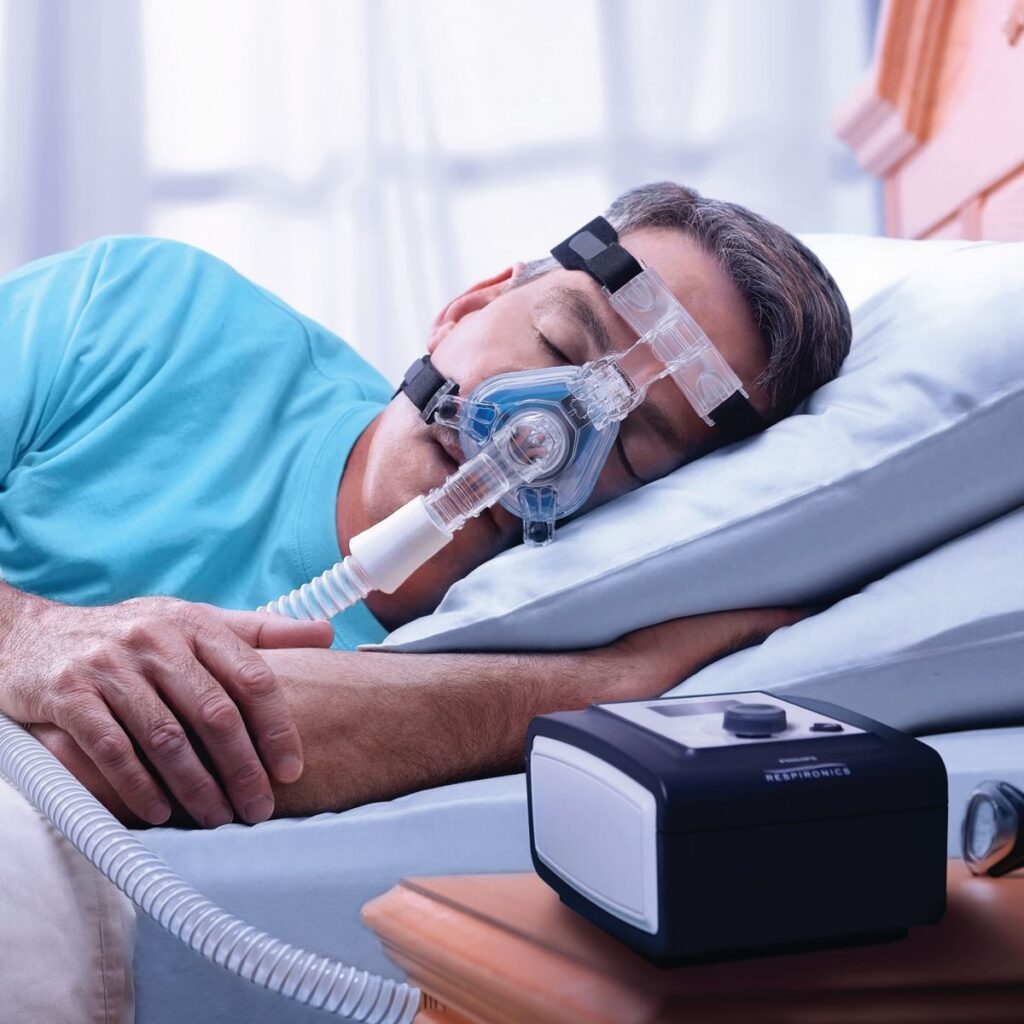
They should have their referral letter, Medicare card details, private health insurance information (if relevant), and a current medication list. If they have prior sleep test results, CPAP reports, ENT imaging, or cardiology letters, those can help the clinic choose the right study.
They may also be asked about allergies to adhesives, skin sensitivities, or conditions like eczema, because sensors used during a sleep study Sydney appointment can irritate sensitive skin.
How quickly can they usually get an appointment in Sydney?
Wait times in Sydney vary widely by season, provider capacity, and whether they choose home or lab testing. Home testing is often available sooner, while in-lab studies can take longer due to limited beds and staffing.
If they have safety concerns such as severe daytime sleepiness, the referrer can flag urgency. Some clinics hold priority slots, but it depends on the service and the clinical details provided for the sleep study Sydney appointment.
What red flags might speed up the referral?
Clinicians may treat certain signs as urgent: falling asleep while driving, high-risk occupations (heavy vehicle driving, rail, aviation), significant oxygen drops suspected, uncontrolled hypertension, or suspected obesity hypoventilation.
If they report severe symptoms, the GP can document it clearly and advise interim safety steps. That stronger clinical documentation can influence triage and bring forward a sleep study Sydney appointment.
What lifestyle or medication changes might be suggested before the study?
They are usually told not to dramatically change habits right before testing because the goal is to capture a typical night. However, the referrer may suggest avoiding alcohol close to bedtime, reviewing sedatives, and keeping a consistent sleep window.
They should not stop prescribed medicines unless their doctor instructs it. Clear instructions like these reduce the risk of an unhelpful result and prevent delays to a sleep study Sydney appointment and its interpretation.
How do they choose a sleep clinic in Sydney?
They often choose based on referral networks, location, wait times, and whether the clinic offers the right type of testing. Some people prefer a clinic that provides end-to-end care, including CPAP trials, mask fitting, follow-up, and reporting back to the GP.
It also helps if the clinic is transparent about fees and provides clear instructions for the night of the sleep study Sydney appointment, including parking, arrival time, and what to bring.
What can delay the referral process?
Delays often come from incomplete referral information, uncertainty about whether home or lab testing is best, and insurance or rebate questions. If the referral lacks key details such as comorbidities or symptom severity, clinics may request additional notes before booking.
Practical barriers matter too: shift work schedules, travel, caregiving responsibilities, and anxiety about sensors can postpone a sleep study Sydney appointment unless addressed early.
What happens if the home test is negative but symptoms persist?
A negative home test does not always end the pathway. If symptoms remain strong, a sleep physician may recommend an in-lab polysomnogram to capture more detail such as sleep stages, arousals, limb movements, and non-apnoea causes of fatigue.
In that situation, the referral may be updated, or a specialist consult may be added before the next sleep study Sydney appointment is booked.
Who receives the results and what follow-up usually comes next?
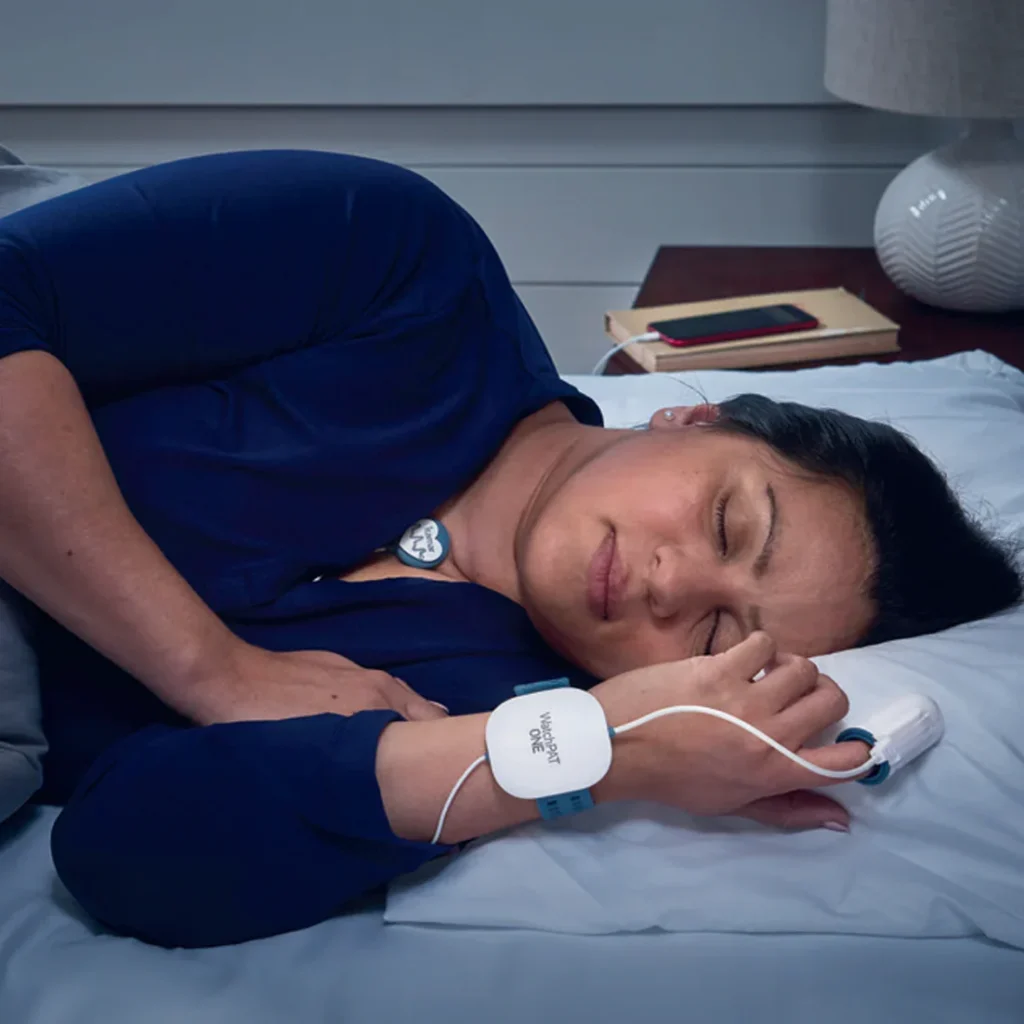
Results typically go to the ordering doctor, often the sleep physician and the referring GP. They may receive a written report with indices such as AHI, oxygen desaturation, sleep efficiency, and positional findings, depending on the study type.
Follow-up may include CPAP therapy, oral appliance referral to a dentist, weight and lifestyle support, ENT review, or further testing. The key point is that a sleep study Sydney appointment is usually the middle of the care pathway, not the end.
What should they do if they want the simplest possible path to a sleep study?
They should start with their GP and bring clear symptom notes: snoring reports, witnessed apnoeas, sleepiness examples, and any safety concerns. They can also ask the GP to include questionnaire scores and relevant medical history in the referral to minimise delays.
With a complete referral and a clinic that matches their needs, the process into a sleep study Sydney appointment is usually straightforward and faster than they expect.
Related : What Happens After a Sleep Study Perth Diagnosis Confirms Apnoea?